Article body
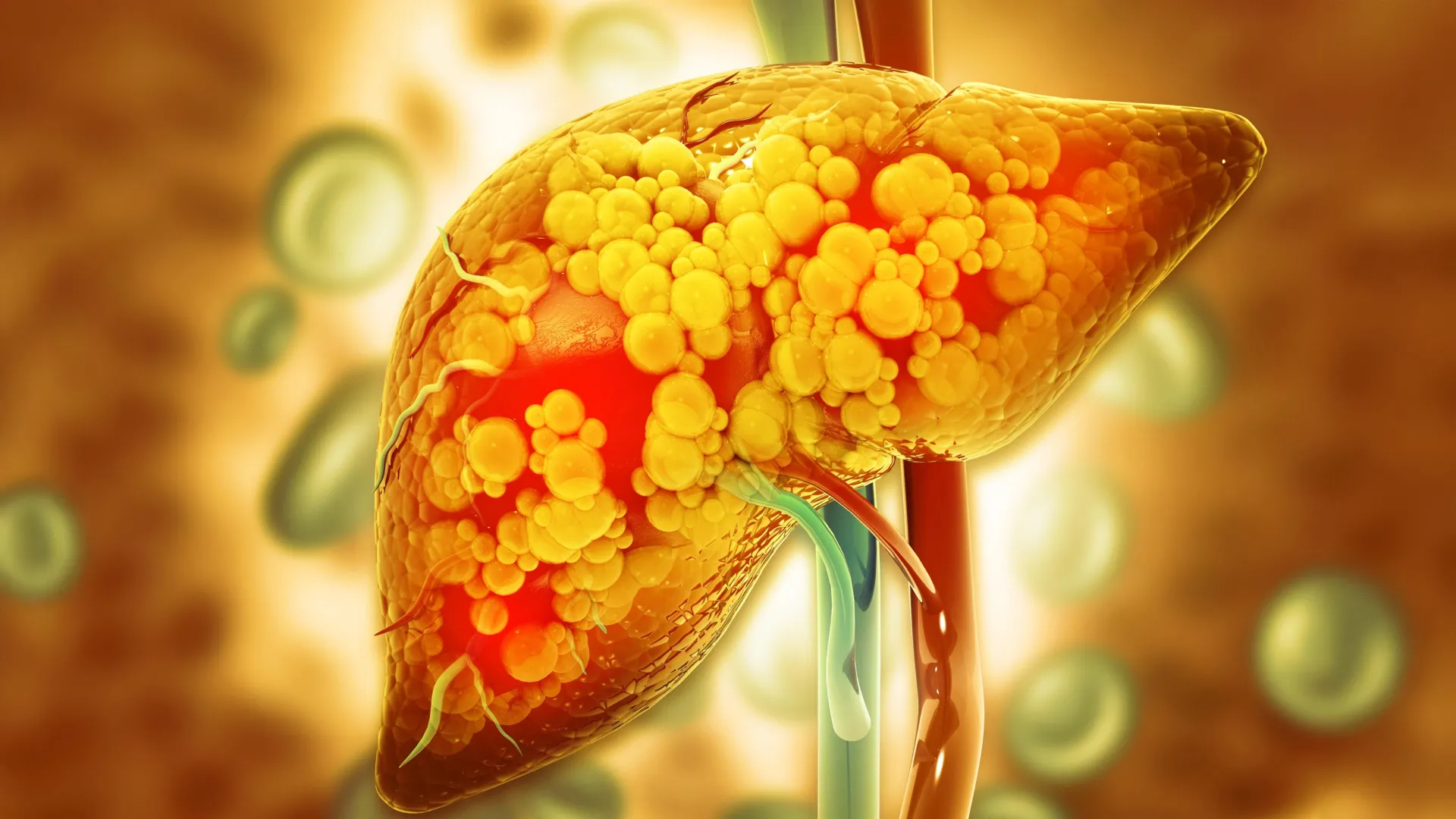
A ketogenic diet cut liver fat dramatically and helped about half of participants with obesity escape the prediabetes range in just a few months. This was revealed in a clinical trial published on August 27, 2026, in the journal Cell Metabolism. The study involved 42 participants with obesity, prediabetes, and fatty liver disease, who were randomly assigned to follow a ketogenic diet, a Mediterranean diet, or a low-fat, plant-forward diet. All groups lost about 10% of their body weight, but the ketogenic diet group saw an average liver fat reduction of 67%, compared to 45% in the other two groups.
After four to five months, about 50% of those on the ketogenic diet no longer met the criteria for prediabetes. Samuel Klein, the study's corresponding author, stated, "Our data suggest that if you have high liver fat content and prediabetes, reducing carbohydrate intake can have important therapeutic effects on metabolism beyond just weight loss alone." The ketogenic diet provided only 4% of calories from carbohydrates and 73% from fat, while the Mediterranean diet had 50% carbohydrates and 35% fat.
The results showed that the ketogenic diet produced the strongest changes in liver and metabolic health, with participants showing the largest rise in glucagon and the greatest decline in blood insulin levels. Interestingly, those on the ketogenic diet did not experience an increase in blood fat or cholesterol levels despite consuming the most fat. The research was supported by the National Institutes of Health and the Foundation for Barnes-Jewish Hospital.