Article body
Recent research suggests that the physical presence of humans can significantly reshape wildlife movement and habitats, potentially as strongly as roads and cities. Researchers from UC Santa Barbara, the Smithsonian's National Zoo and Conservation Biology Institute, and Yale University combined GPS tracking data from 37 animal species with cellphone location data across the United States. This study, published in Science, indicates that wildlife responses to humans vary greatly depending on the species and the degree of landscape alteration.
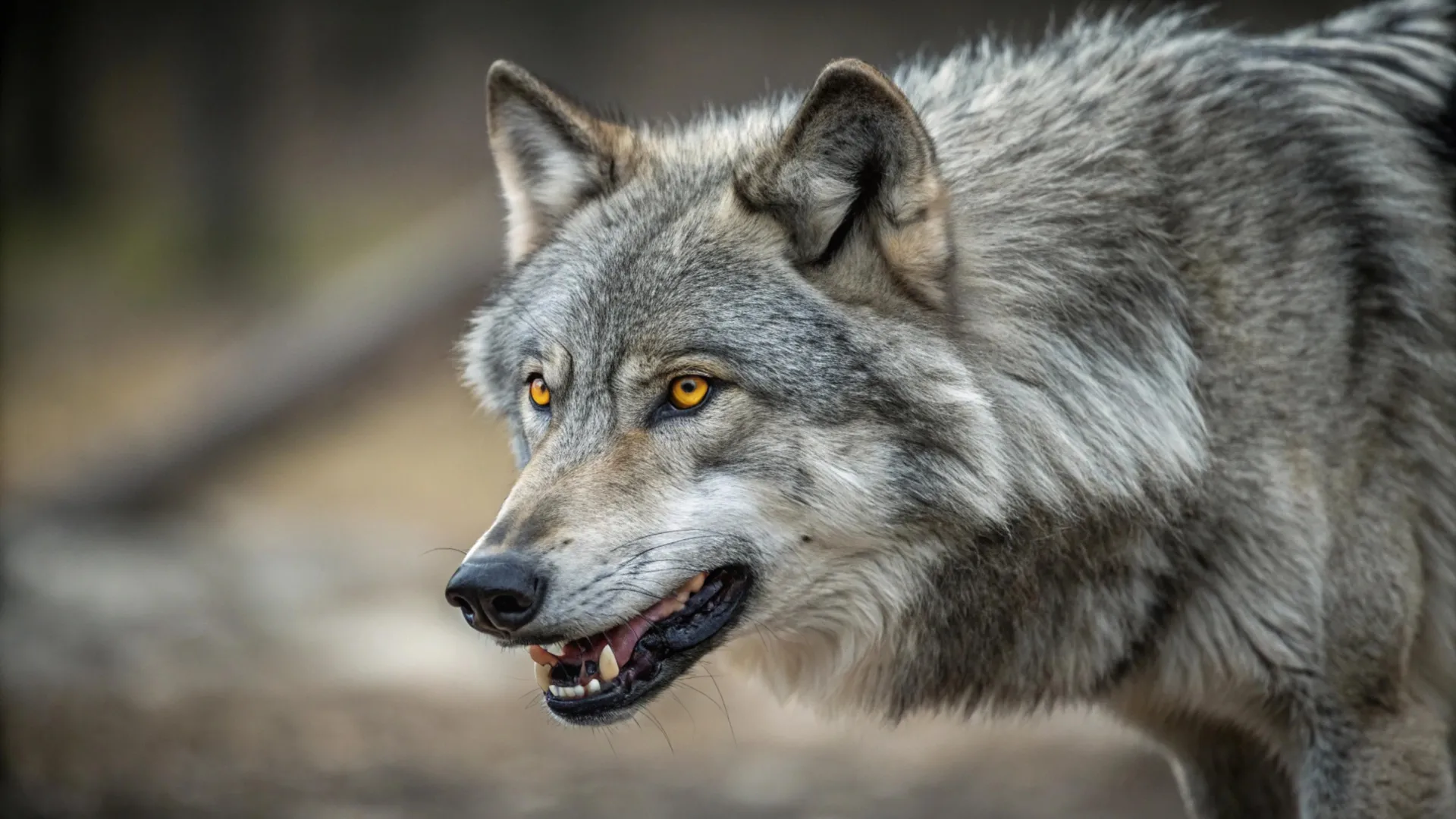
The researchers examined how human activity influenced both the physical area used by animals and their environmental niches. They found that 57% of the species studied were affected by both human presence and landscape modification. For instance, wolves expanded their habitat in response to humans, while white-tailed deer contracted their habitat as human presence increased. The study highlights the importance of species-specific conservation strategies.
The research was part of the COVID-19 Bio-Logging Initiative, which aimed to understand how wildlife responded to significant changes in human activity during the pandemic. The findings underscore the need for more nuanced conservation policies that consider both human presence and habitat changes.