Article body
The U.S. military in Korea has reportedly communicated to South Korea that an early transfer of wartime operational control (WOC) raises concerns about the potential dissolution of the ROK-U.S. Combined Forces Command. The U.S. military has expressed that if the WOC transfer occurs hastily without meeting military prerequisites, it would be difficult for the South Korean military to operate under the command of a combined commander.
The U.S. military believes that the WOC transfer will only be feasible after the first quarter of 2029, while the South Korean government maintains that a transfer could happen as early as next year. President Lee Jae-myung has stated that there would be no issues even if the WOC is transferred.
According to diplomatic sources, the U.S. military has repeatedly conveyed to South Korea concerns that an early WOC transfer could complicate the establishment of a future combined military command as per existing agreements. The U.S. military reported these concerns to Elbridge Colby, the former Deputy Assistant Secretary of Defense, during his visit to Korea in January and subsequently communicated the same stance to South Korean officials.
In response to questions about whether there are plans to dissolve the Combined Forces Command after the WOC transfer, the Ministry of National Defense stated that the current command structure would be maintained. This is interpreted as an agreement from the Moon Jae-in administration, where a South Korean four-star general would take command and a U.S. four-star general would serve as deputy commander after the transfer.
However, the U.S. military believes that if the South Korean military gains WOC without having the command and control capabilities up to U.S. standards, it would be challenging to conduct operations under South Korean command during wartime. Consequently, command structure issues are expected to be a major point of contention in discussions about the WOC transfer.
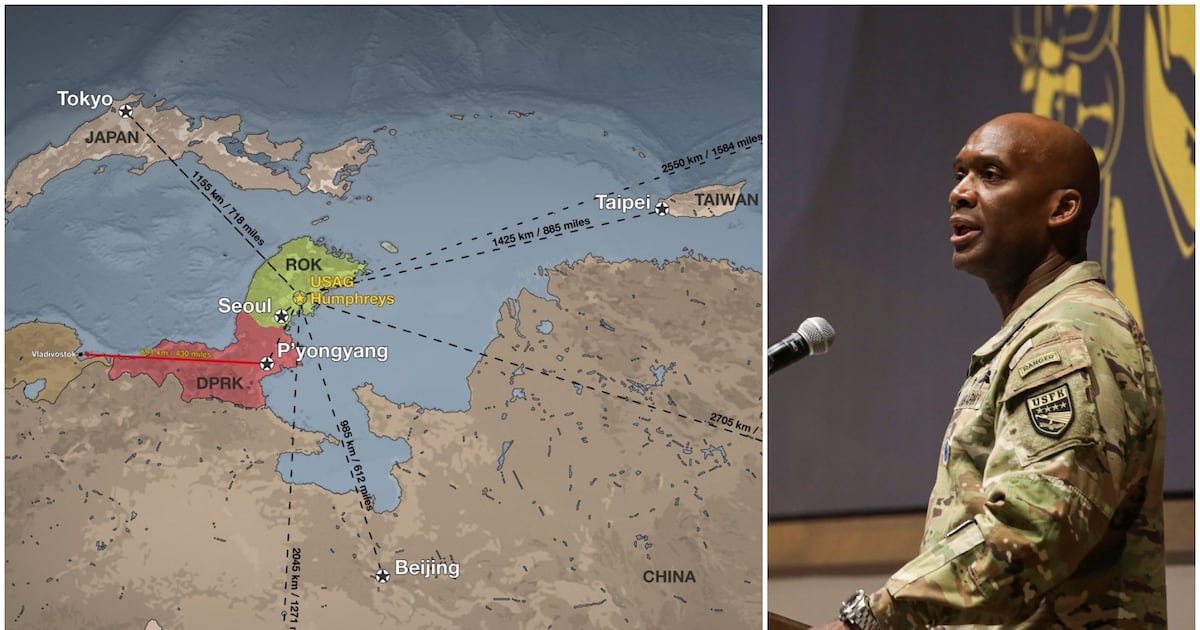
In a recent interview, U.S. Forces Korea Commander General Burleson emphasized that South Korea plays a strategic pivot role aimed at China, highlighting the U.S. military's role in countering China. However, the U.S. has expressed concerns about hastily transferring WOC given the uncertainty regarding the South Korean military's wartime operational capabilities.
In this context, the U.S. military believes that to pursue the WOC transfer at the pace desired by South Korea, it would be realistic to dismantle the existing combined military command structure and transition to a parallel structure where each country conducts operations independently. Such discussions have occurred in the past, and discussions about the timing and conditions for the WOC transfer are ongoing.